Amid supply disruptions in the Middle East driving global aluminum prices to new heights, Australian smelters are aggressively reviving previously shuttered production lines. Industry giants like Alcoa and Rio Tinto are leveraging improved profit margins to fast-track restarts, capitalizing on a tight global market while navigating structural energy challenges.
Strategic Leap: Smelters Ride the Price Wave
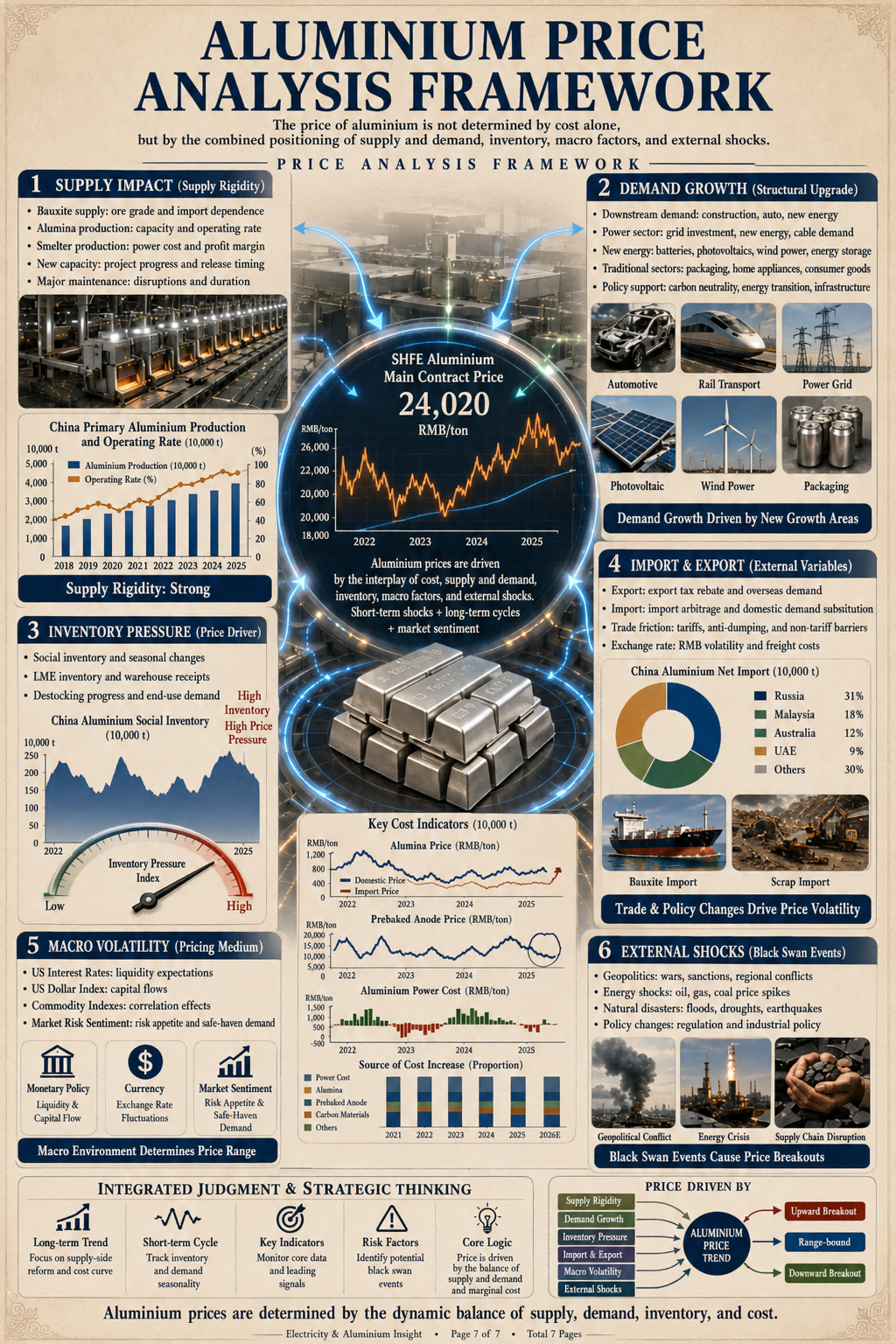
Ongoing geopolitical tensions and Middle East supply shocks have removed nearly 2.5 million tons of aluminum from the global supply chain. For Australian producers, this disruption has created a critical window of high profitability following a prolonged period of global oversupply.
However, this rapid operational ramp-up unfolds against a backdrop of deep structural challenges. While skyrocketing prices boost immediate revenue, they also spotlight long-term industry issues, particularly rising energy costs and power grid stability over the coming decade.
Industry Giants Pivot: Rio Tinto and Alcoa Take Action
Leading global metal producers are currently reassessing their expansion and stabilization strategies across Queensland and Victoria:
Rio Tinto’s Stabilization Strategy
Jérôme Pécresse, Chief Executive of Rio Tinto Aluminium, noted in an interview with the Australian Financial Review that while operational costs have risen, the net bottom-line results remain highly positive.
“It’s a two-way street. Our costs have increased, but the net financial result is definitively positive,” Pécresse stated.
To support this transition, a landmark $2 billion joint investment from the Federal and Queensland governments was finalized in March. This capital injection is designed to secure the long-term viability of the Boyne Smelter, one of Australia’s largest aluminum operations.
[Government Funding: $2 Billion] ──> [Revitalizes Boyne Smelter Assets] ──> [Unlocks $7.5 Billion Grid Investment]
This funding allows Rio Tinto to modernize and stabilize a percentage of the transmission and energy assets at the Boyne facility. Ultimately, the framework is projected to unlock nearly $7.5 billion in broader clean energy investments for the Queensland power grid. Pécresse concluded that expanding margins will continue to demonstrate the long-term value of state support for domestic metallurgy.
Alcoa Restarts Portland Production
Simultaneously, Alcoa has reported successful line restarts at its Portland Smelter in Victoria. This operational expansion is tightly aligned with a broader corporate strategy to link enhanced production capacities with newly negotiated power purchasing agreements (PPAs) and favorable global pricing dynamics.
Future Outlook: From Short-Term Rally to Lasting Capacity
For global investors and policy-makers, the current market rally offers a genuine window of opportunity. However, the multi-year sustainability of this metal boom will hinge entirely on Australia’s capacity to convert transient price spikes into durable, energy-efficient, and lasting industrial output.
As global scrap trade is reshaped by new strategic mineral policies, markets across sustainable African mining initiatives and Southeast Asian recycling hubs are emerging as critical nodes in the aluminum supply chain.
Data Source: “Aluminum Price Surge Reignites Idle Capacity in Australian Smelters”, published by the WeChat Official Account: Industry Information Xiaolingtong.
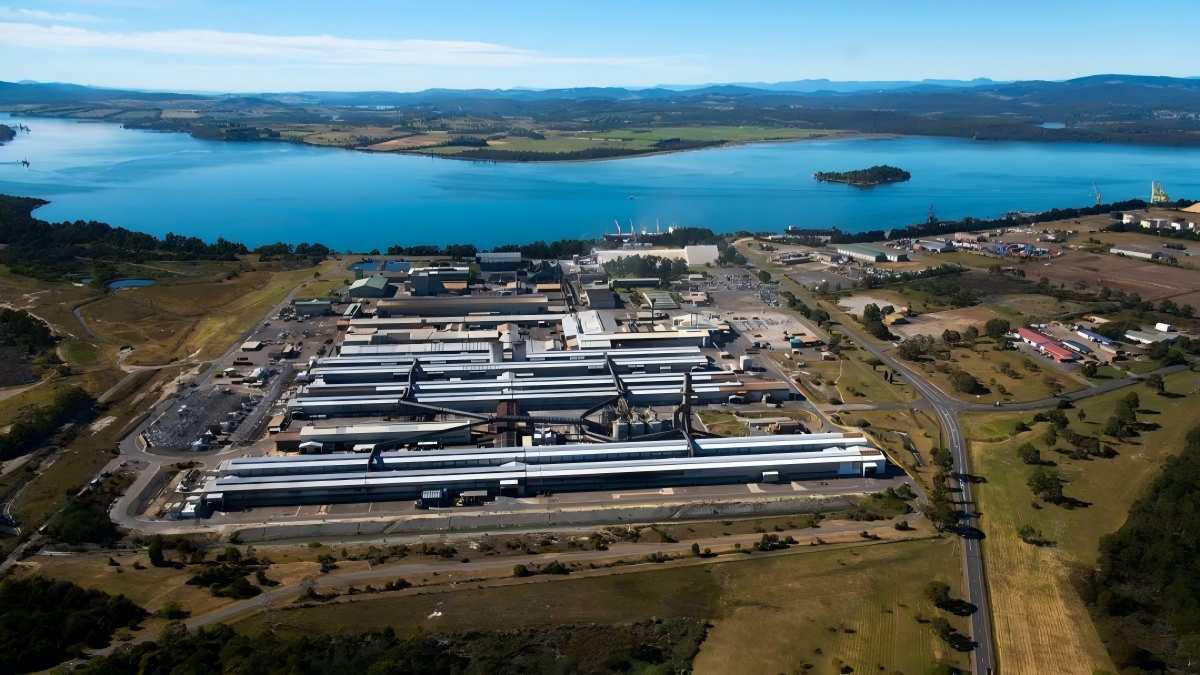
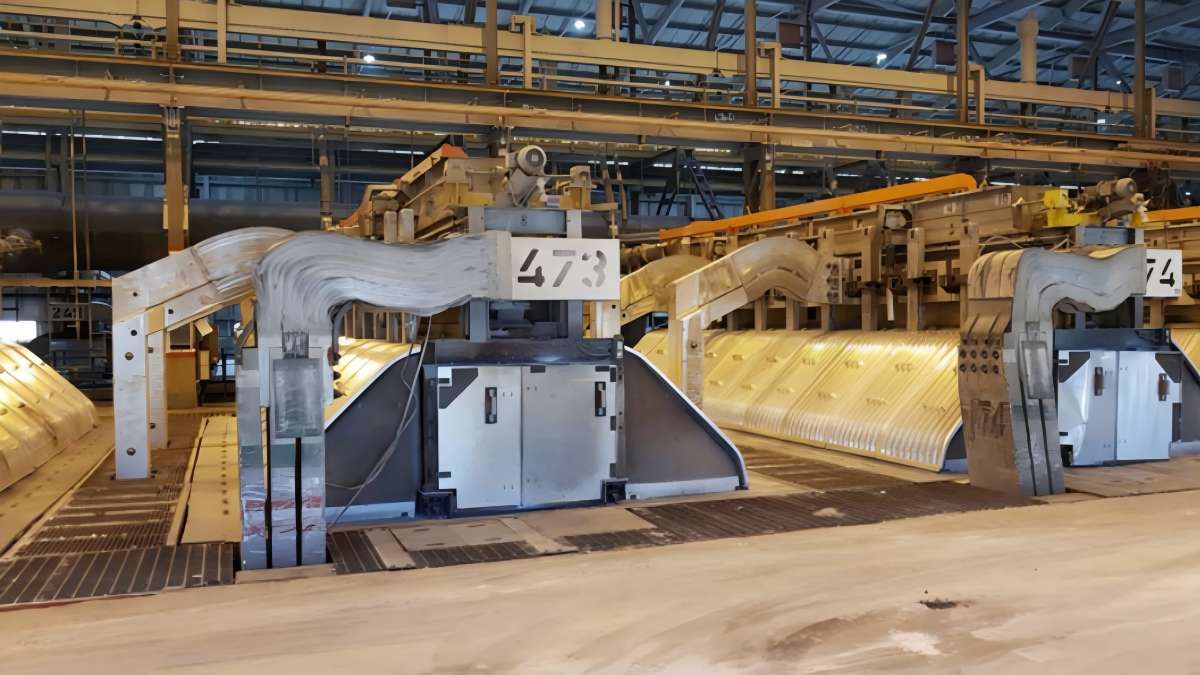
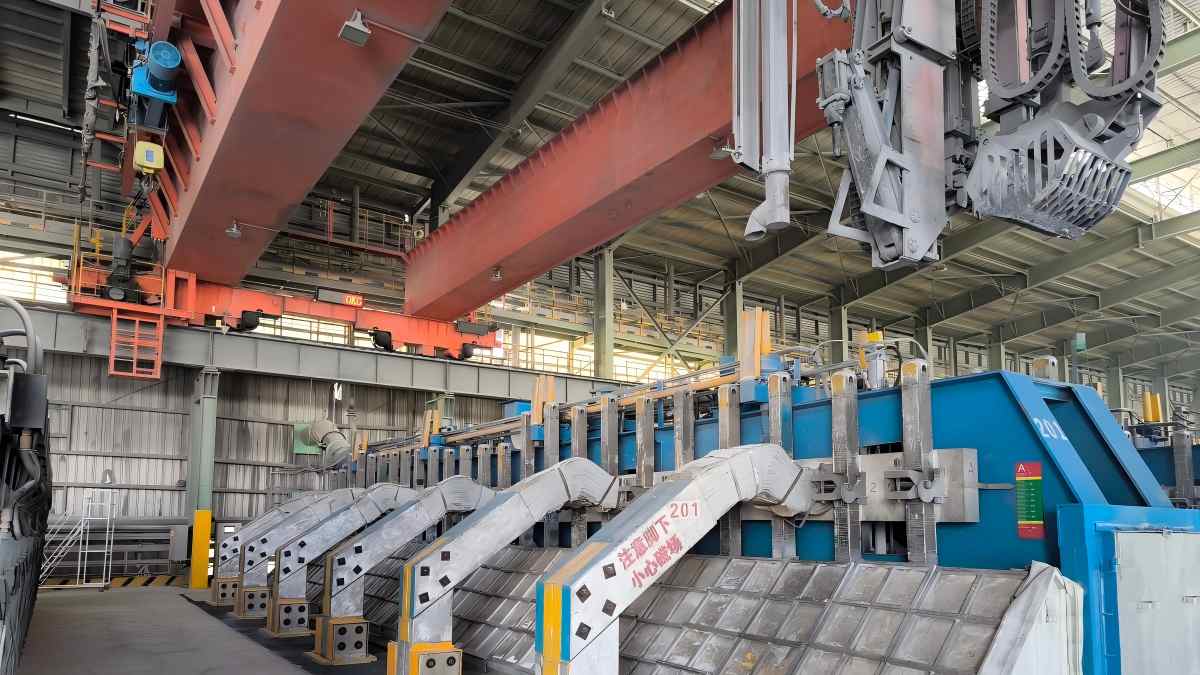
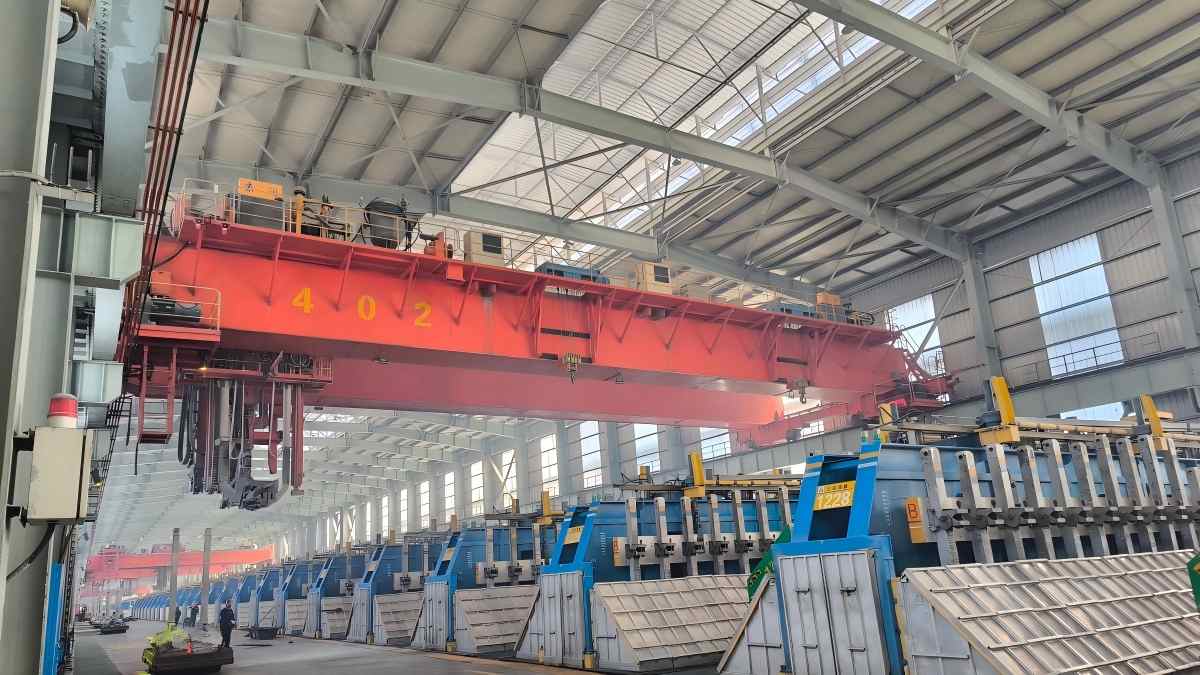
Figure 1: Boyne Smelter Limited
Figure 2: S-170 Electrolytic cell