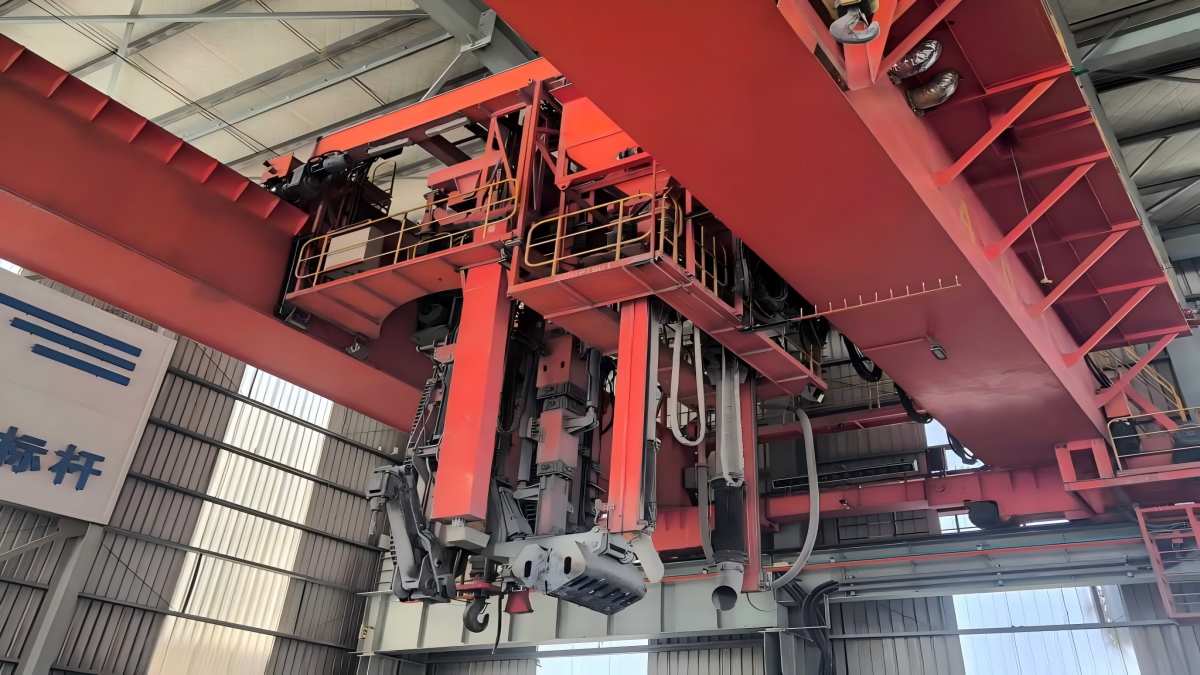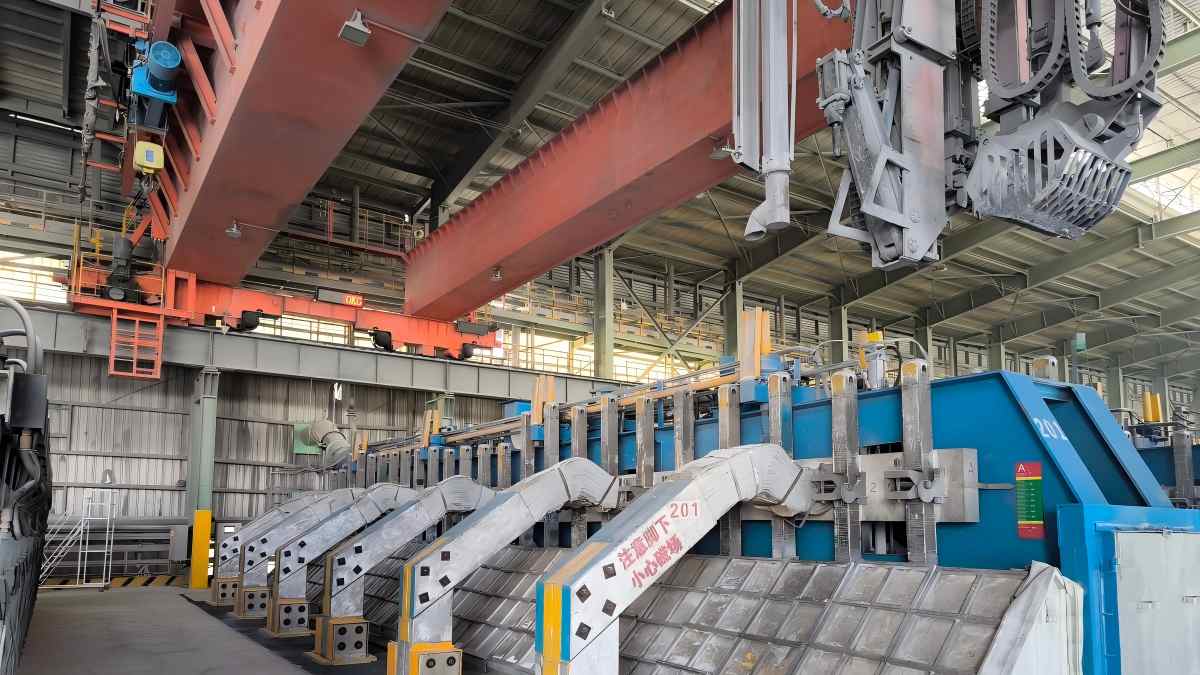
In the hyper-competitive global aluminum market, efficiency is everything. This article explores how Smart Crane Technology—specifically advanced, intelligent Pot Tending Machines (PTMs)—is revolutionizing the electrolysis workshop, with a focus on precision, automation, and real-time data.
The demands on aluminum smelters are intensifying. As the industry faces increasing pressure for higher output and stricter sustainability standards, the focal point of innovation has shifted from the power to lift to the intelligence behind the action. In 2026, the traditional pot tending machine is no longer just a piece of heavy machinery; it is an intelligent robotic platform integral to a smelter’s digital transformation.
This evolution is fundamentally changing the landscape of electrolysis efficiency. Modern intelligent PTMs are now designed to perform tasks—such as crust breaking, anode changing, and tapping—with a level of precision that was previously unattainable. This precision translates directly into fewer process disturbances, reduced bath losses, and improved overall potline performance.
The Core Benefits of Smart Crane Technology in 2026
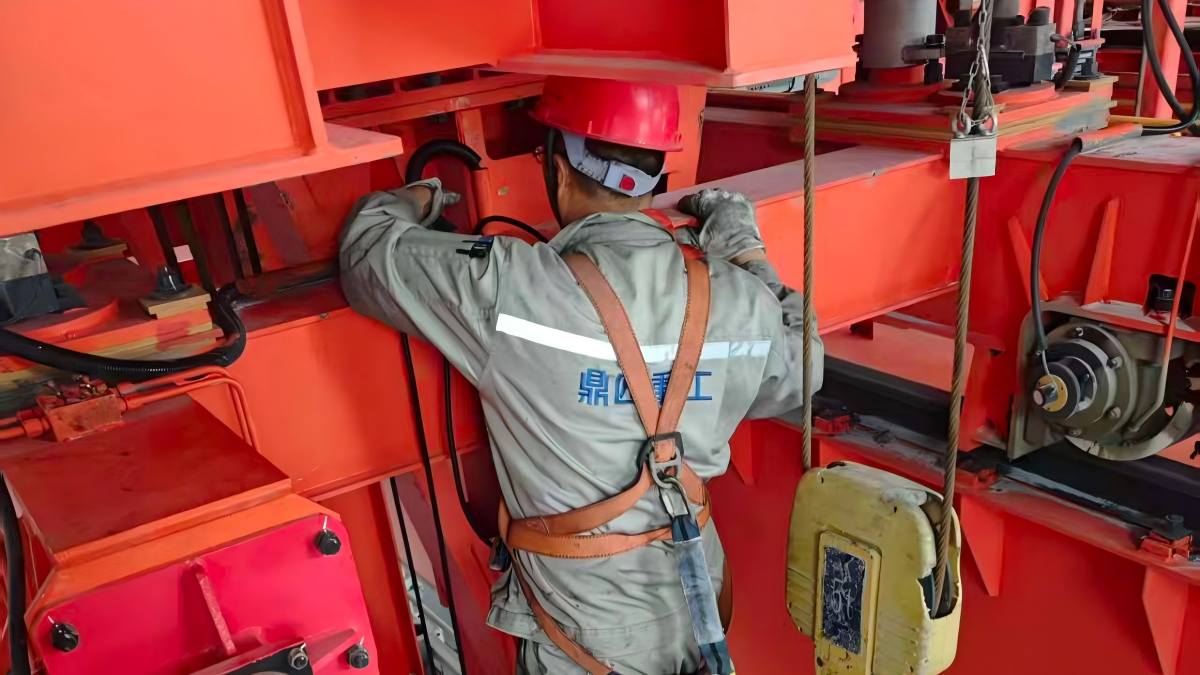
The integration of advanced sensors and real-time data analytics allows for predictive maintenance, a critical factor in a facility with low tolerance for unplanned downtime. Furthermore, the adoption of semi-automated and remote-control capabilities removes operators from the hazards of the potroom environment, significantly enhancing workplace safety while simultaneously boosting productivity. The ability to monitor and control equipment performance remotely provides plant managers with a holistic view of operations, enabling data-driven decisions that optimize resource allocation.
The push towards “Green Aluminum” is also driving innovation in crane technology. Modern systems utilize advanced power management, including energy recovery during braking, to reduce overall energy consumption. This not only lowers the carbon footprint of the smelting process but also aligns with the global industry’s sustainability goals.
The transition towards smarter, more connected crane technology is not a temporary trend but a fundamental shift in how aluminum is produced. Investment in these intelligent systems is a strategic move, positioning smelters to achieve new levels of operational excellence and competitive advantage in a complex and evolving global market.
Quick Facts: Smart Crane Technology Impact
- Efficiency: Up to 25% faster anode changing cycles.
- Safety: 100% remote operation, reducing human exposure to harsh environments.
- Accuracy: Real-time data integration for precise pot tending operations.