Executive Insights
In 2026, the key to Alumina competitive advantage shifts from raw material sourcing to inland logistics efficiency, specifically influenced by the Pinglu Canal’s opening
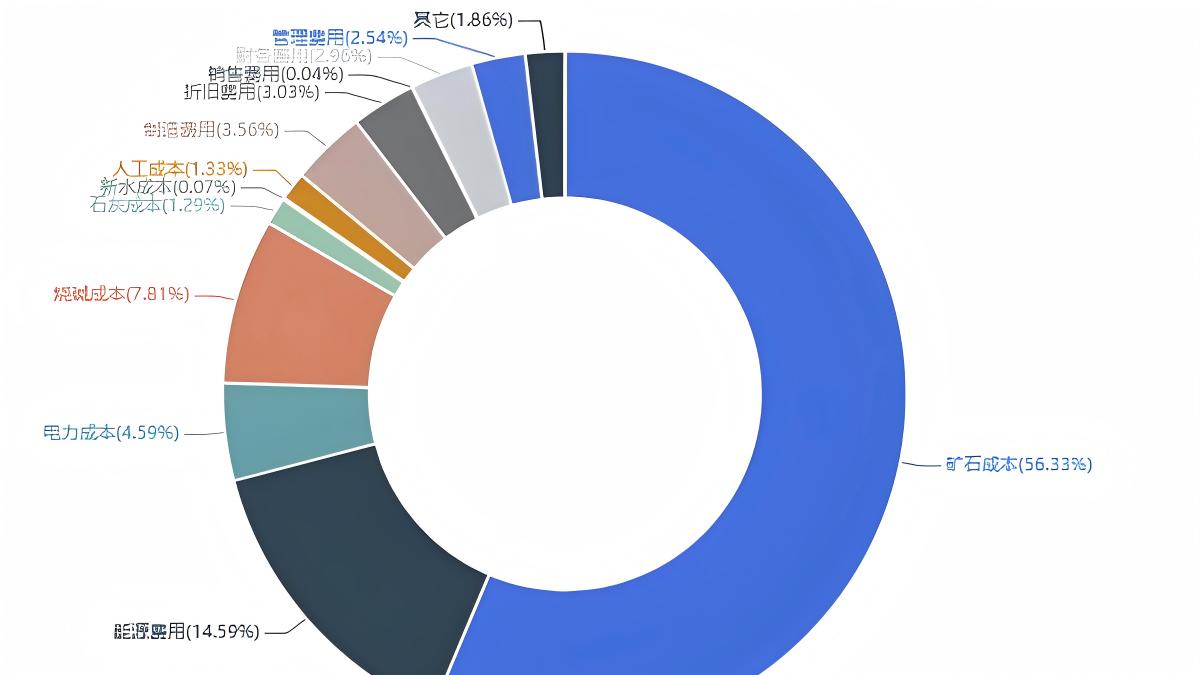
In the global alumina market, cost efficiency is dictated by the “Location & Logistics” paradox. According to the Aladdin (ALD) cost model, bauxite accounts for 56% of total alumina production costs. While raw ore prices remain relatively stable across the industry, the true “profit killer” lies in inland freight.
1. The Coastal Advantage: Port-to-Plant Efficiency
For alumina refineries, geographical positioning is destiny. The disparity in bauxite transportation costs creates a significant competitive gap:
- Coastal Refineries (Guangxi): Logistics costs from port to plant are as low as 10 RMB/ton.
- Inland Refineries: Transport costs can soar to 70–80 RMB/ton.
- The Bottom Line: Factoring in the ratio of 3 tons of Guinea ore per ton of Alumina, the cost variance exceeds 200 RMB/ton solely due to freight. This explains the industry’s strategic migration toward coastal hubs.
2. The Supply-Demand Mismatch
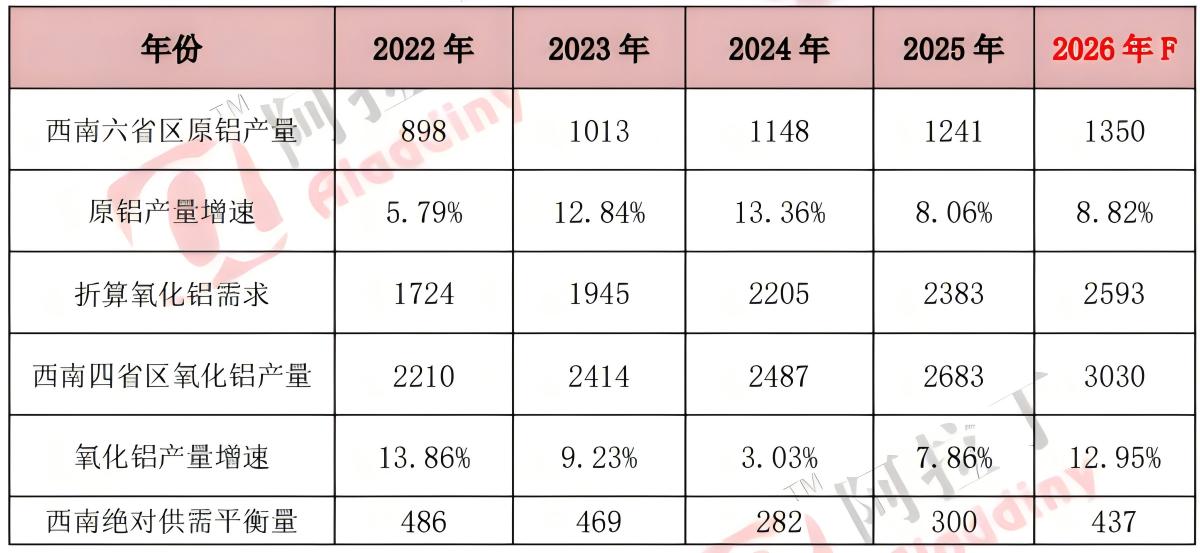
While coastal plants lead in raw material cost-savings, they face a different challenge: Alumina Outbound Logistics. Most electrolytic aluminum smelters are located inland, far from the coast. This “resource-demand mismatch” creates a structural surplus. ALD estimates that by 2026, Southwest China will face an absolute alumina surplus of 4.37 million tons, forcing over 1 million tons to seek alternative markets via “South-to-North” redistribution.
3. Game Changer: The Pinglu Canal (Launching Sept 2026)
The logistics landscape of Southwest China is on the verge of a revolution. The opening of the Pinglu Canal in September 2026 will:
- Establish a direct river-sea intermodal link between Guangxi’s inland waterways and the Gulf of Beibu.
- Significantly shorten sea-bound routes and slash logistics overheads.
- Reshape the regional industrial layout, offering inland refineries a lifeline to narrow the cost gap with coastal competitors.
By integrating Aladdin’s predictive cost models with our on-site engineering expertise, Deans Join assists global smelters in optimizing their PTM equipment layout to adapt to these shifting logistics corridors.
Conclusion
For global stakeholders, monitoring the evolution of China’s infrastructure—like the Pinglu Canal—is essential for predicting alumina price trends and supply chain stability.
Data Source: Aladdin (ALD) Aluminum Industry Service Platform.