Safety in Extremes: Engineering High-Temperature Insulation Cranes
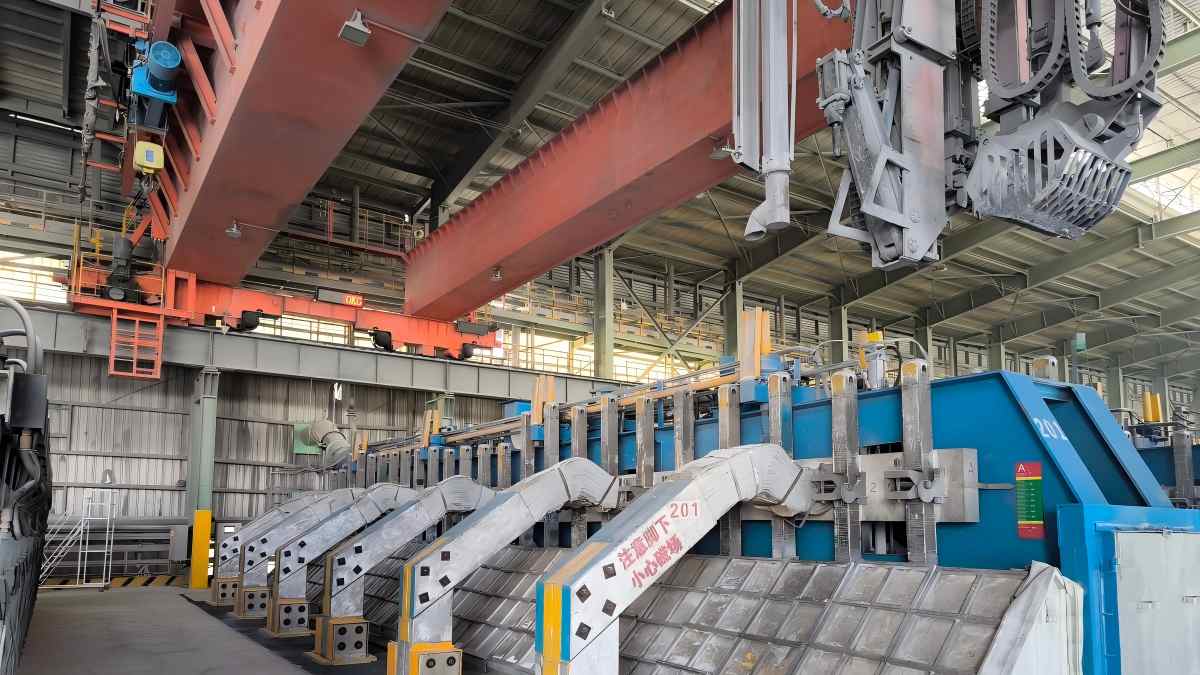
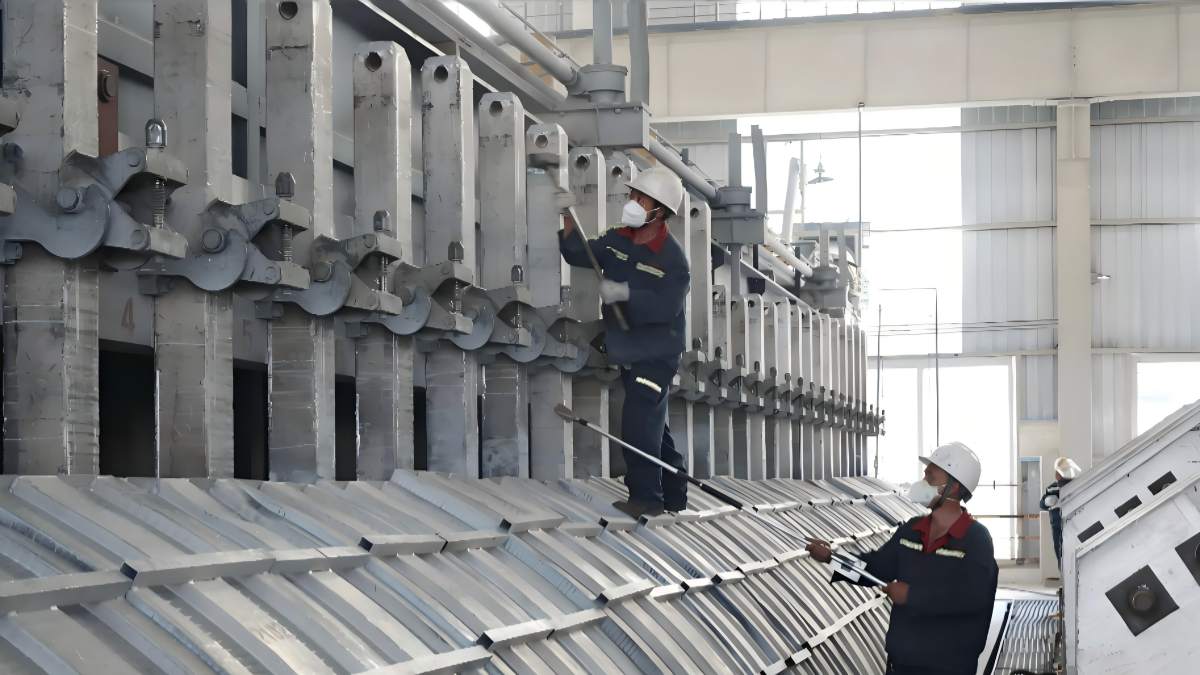
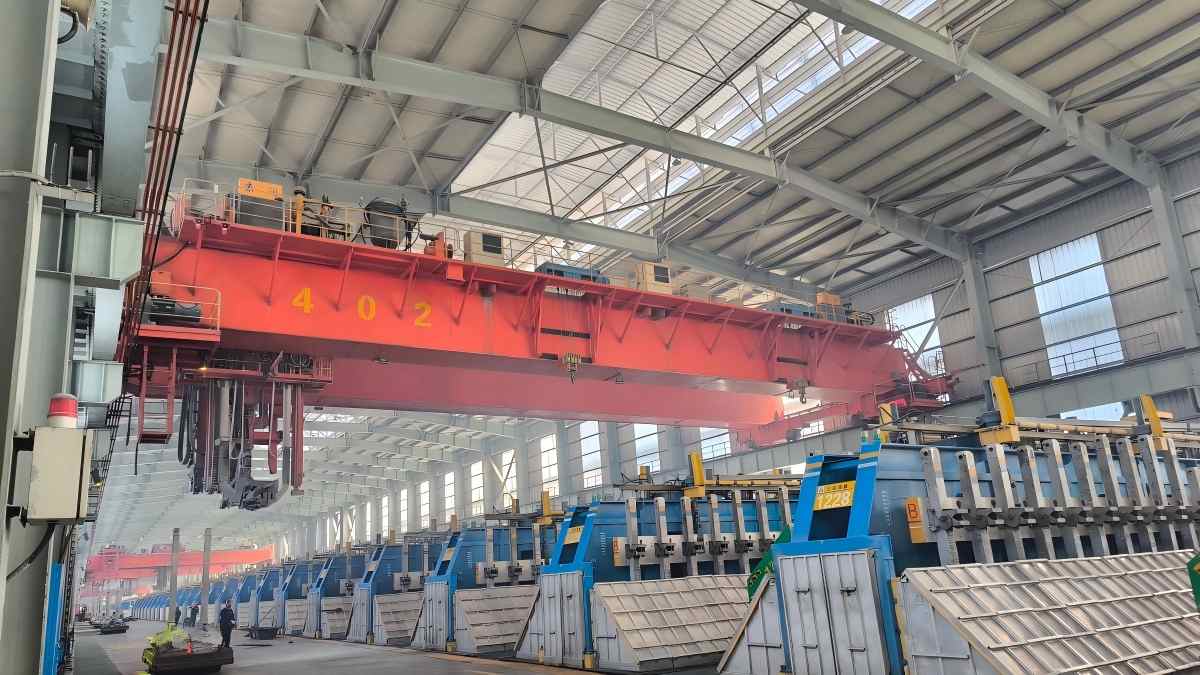
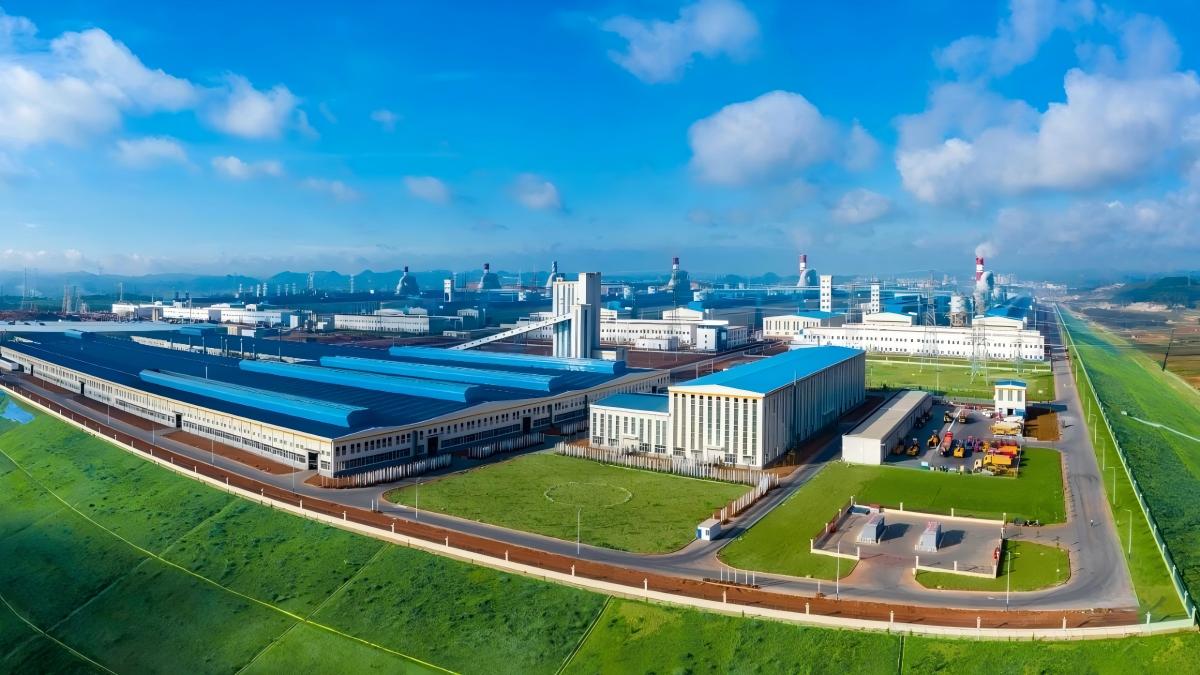
Safety in high-temperature environment engineering is a critical challenge for modern smelters. Operating a primary aluminum smelter is a demanding industrial task. Intense magnetic fields, extreme thermal radiance, and corrosive dust require paramount equipment reliability. This article explores how specialized insulation cranes for aluminum smelters ensure efficiency under these extreme conditions.
Three Major Engineering Challenges in Aluminum Smelting
Modern intelligent PTMs must overcome three specific environmental hurdles to maintain production continuity:
- Thermal Challenge: Pot zones generate massive radiated heat
- Specialized cranes use multi-layer heat shields, thermal insulation, and active cooling to protect sensitive electronics.
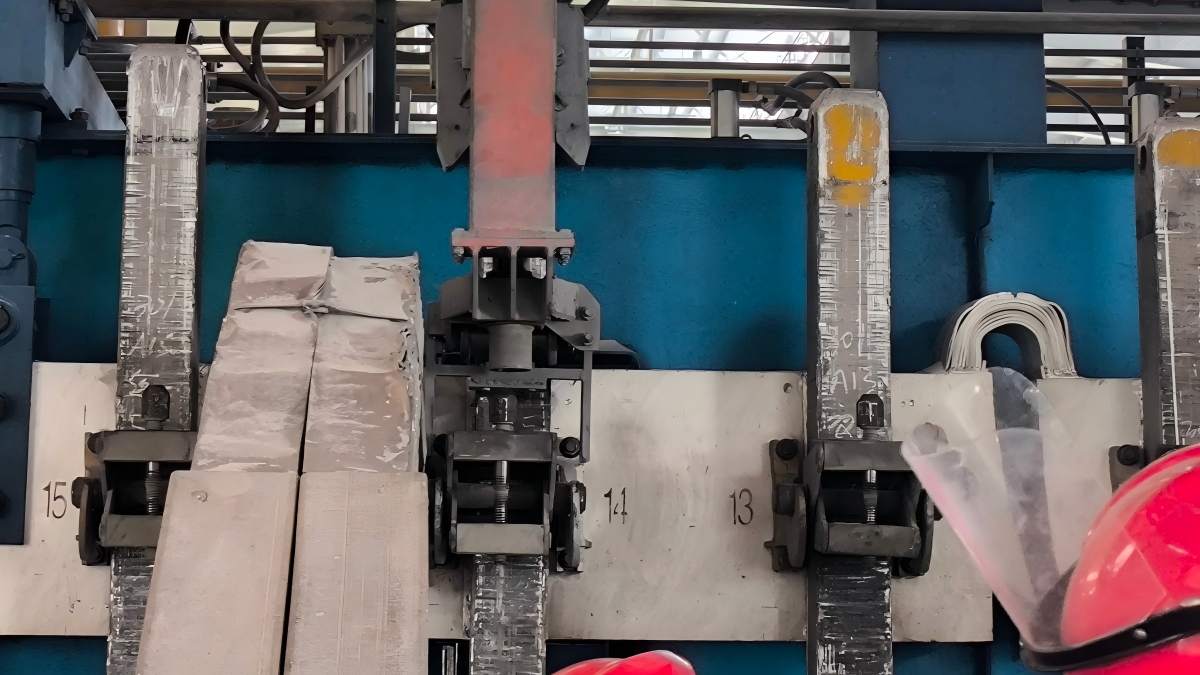
- Magnetic Challenge: Thousands of amperes generate massive magnetic fields. These fields induce dangerous currents in conductive materials. True isolation cranes use multi-layer insulation on wheels and hooks to break these current paths.
- Corrosive Challenge: The air contains thick alumina dust and fluoride fumes. Engineers apply specialized coatings and resilient materials to every joint and cable to prevent chemical corrosion.
Technical Specifications: High-Temperature Resilience Data
| Feature | Engineering Specification | Industry Value |
| Heat Resistance | Engineered for extreme thermal radiance | Extends equipment lifespan in intense heat |
| Insulation Level | Multi-layer composite, 1000V+ resistance | Eliminates electrocution risks from induction |
| Magnetic Adaptability | Rated for 400kA – 600kA potlines | Prevents electronic failure in high-current zones |
Defining the Modern Insulation Crane (PTM)
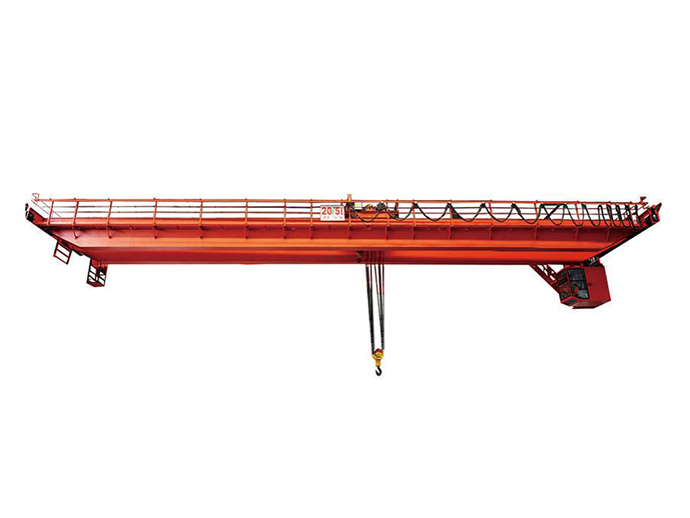
An insulation crane (PTM) is a heavy-duty robotic platform. It features specialized multi-layer insulation to prevent electrical conductivity in electrolysis workshops. Beyond hardware, modern engineering focuses on the operator.
In 2026, remote control and semi-automated capabilities are increasingly common. These technologies remove operators from hazardous areas entirely. Ergonomic cabins with advanced filtration systems further protect staff from dust and toxic fumes.
Investing in engineered isolation cranes is an investment in both people and production continuity. This robust design serves as the foundation for a reliable and profitable aluminum smelting operation.