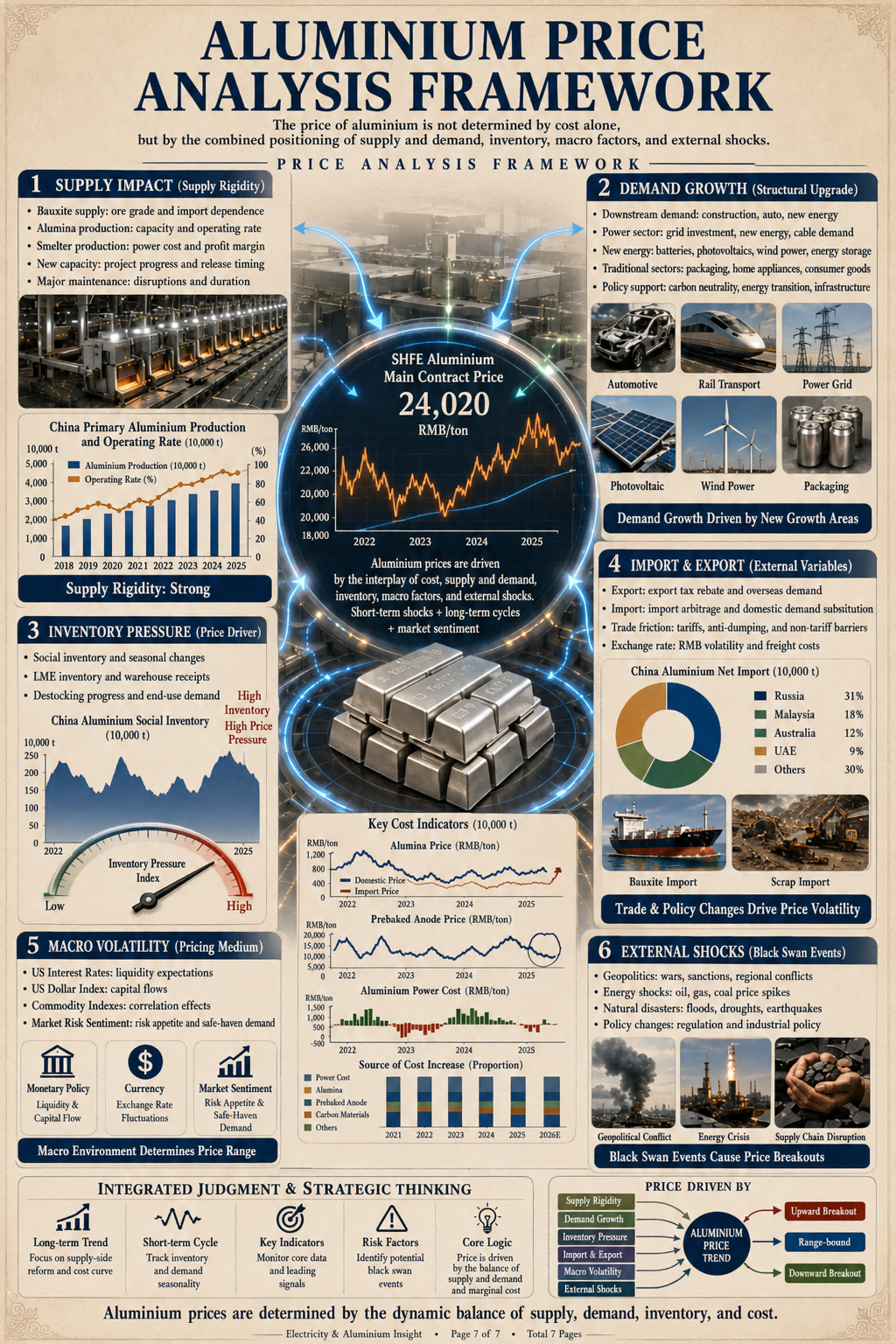
2026 Growth Drivers: EV and Renewable Energy sectors.
As we look at the Global Aluminum Outlook 2026, the global aluminum market is on an upward trajectory, driven by industries like renewable energy and electric vehicles. To capitalize on this growth, primary aluminum producers must address aging infrastructure and meet stringent environmental regulations. This analysis highlights why upgrading to next-generation pot tending machines (PTMs) is a prerequisite for expansion and sustainability in 2026 and beyond.
Why 2026 is the Turning Point for Aluminum Equipment Upgrades
The primary aluminum industry is standing at the threshold of a new era. In 2026, the global market for this versatile metal is projected to experience substantial growth, largely propelled by its essential role in the clean energy transition, the proliferation of electric vehicles (EVs), and advanced construction projects. This increased demand presents a significant opportunity for producers, but it also exposes the vulnerabilities of outdated production equipment. To remain competitive and expand their market share, smelters must prioritize comprehensive equipment upgrades.
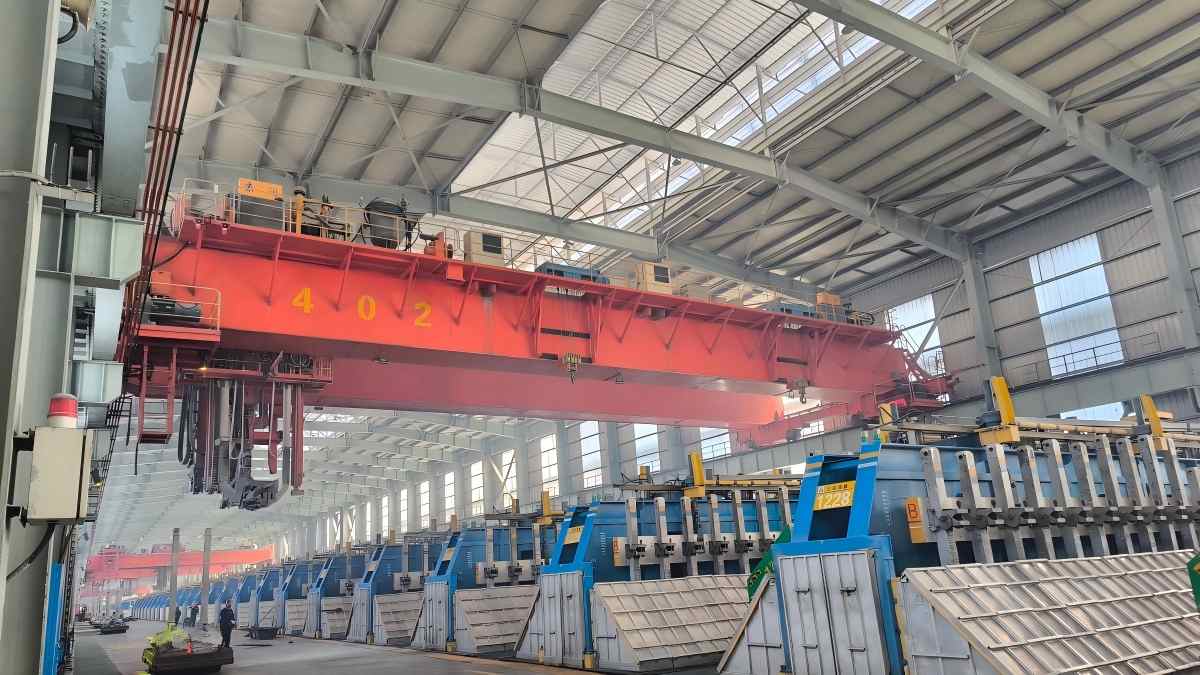
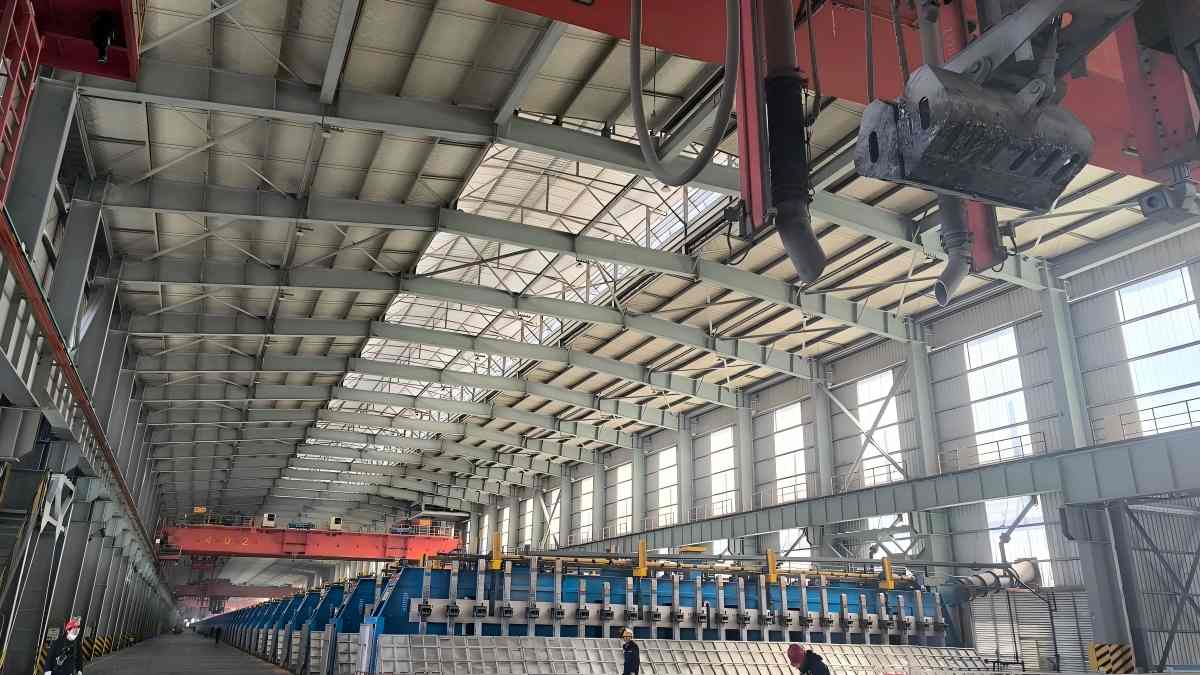
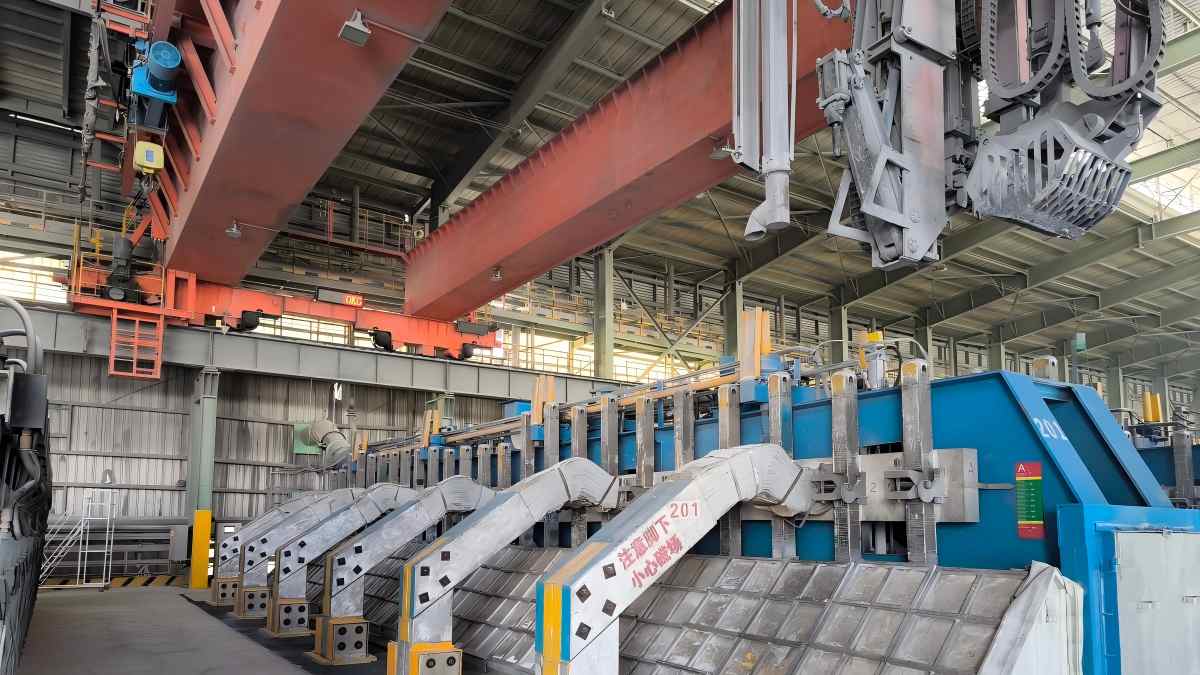
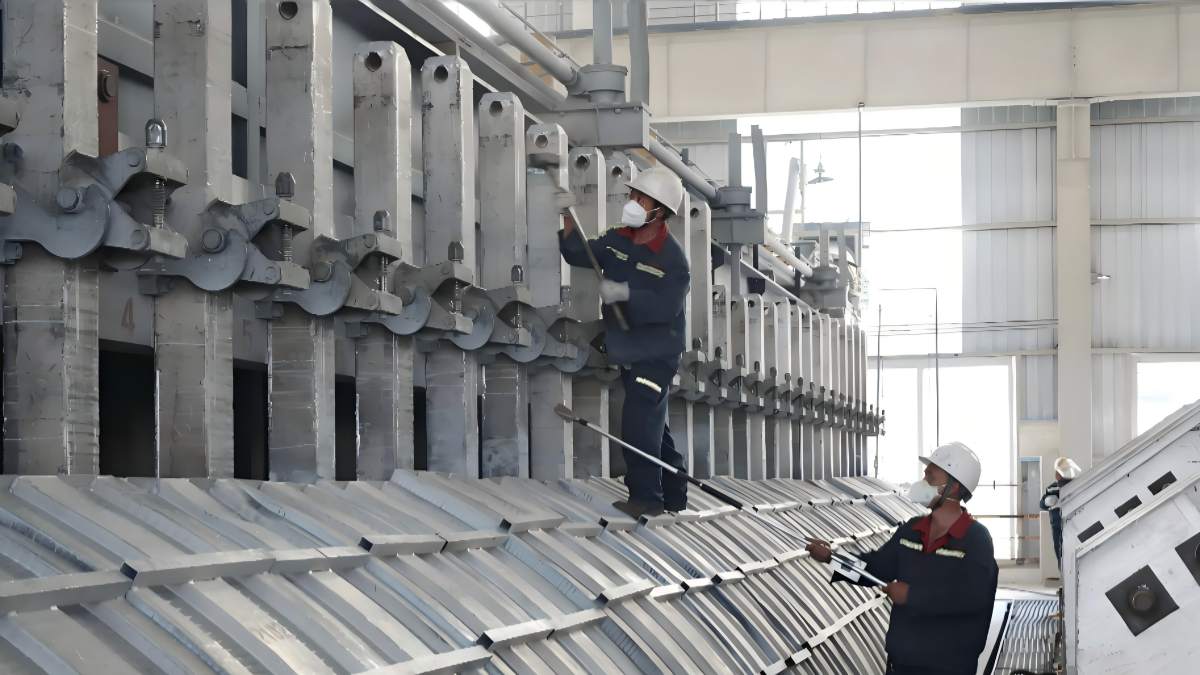
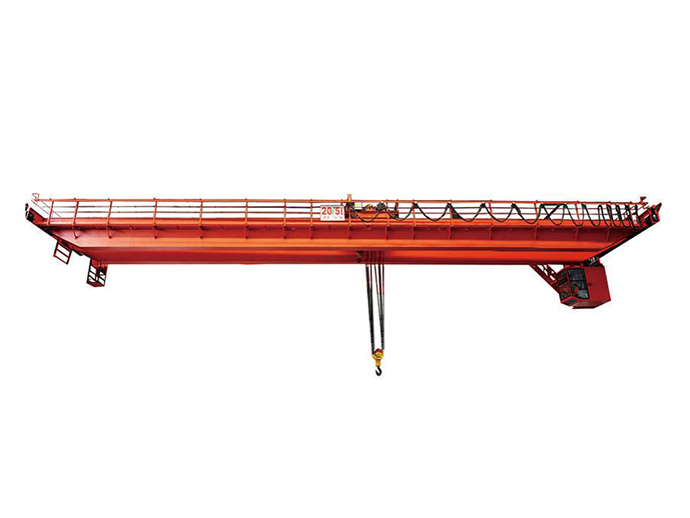
A critical component in any modernization strategy is the pot tending machine (PTM), the backbone of the electrolysis workshop. Many existing PTMs have been in operation for decades and are approaching the end of their design life. These aging assets often suffer from reduced reliability, higher maintenance costs, and a lack of modern safety and automation features. The inefficiency and unplanned downtime associated with obsolete technology not only hamper current production but also restrict a smelter’s ability to scale operations to meet rising market demands.
The Solution: Transitioning to intelligent PTMs for precision and low carbon footprint.
Beyond operational benefits, equipment upgrades are crucial for regulatory compliance. Global climate policies, such as the European Union’s Carbon Border Adjustment Mechanism (CBAM), are creating strong incentives for low-carbon aluminum production. Upgrading to advanced PTMs, which are designed for greater energy efficiency and precise process control, enables smelters to significantly reduce their carbon footprint per ton of aluminum. By investing in these sustainable technologies, producers can ensure access to premium, low-carbon markets and avoid potential trade barriers.
Market expansion is inextricably linked to technological modernization. Producers who proactively invest in high-performance, automated, and sustainable PTMs will be better positioned to increase their capacity, reduce production costs, and enhance overall operational resilience. As the global economy continues to decouple itself from fossil fuels, the ability of a smelter to produce aluminum both efficiently and sustainably will be its single most important competitive differentiator. The choice is clear: modernize to expand or risk falling behind in an increasingly demanding global market.