BEIJING — The recent historical kickoff in North America has triggered a massive production surge within the metallurgical supply chain. Consequently, heavy manufacturing facilities are expanding operations to meet the unprecedented demand for premium aluminum alloy extrusions. According to the latest updates on the official FIFA World Cup 2026 schedules, global sporting infrastructure has increasingly relied on lightweight, sustainable, and high-strength metal profiles. This technical transition spans from specialized smart consumer packaging to large-scale structural rails, proving the deep integration of modern engineering alloys in international mega-projects.
Aluminum Alloy Extrusions Dominate Stadium Infrastructure
Inside the sporting venues, metallurgy has fundamentally reshaped modern field infrastructure. Historically, facilities relied on timber goalposts, which suffered from severe structural rotting and cracking under heavy impact. Modern sporting venues now exclusively specify high-strength aluminum alloy extrusions to replace legacy materials.
These customized profiles undergo precision engineering and advanced extrusion processing to maximize structural tensile strength. Consequently, when subjected to high-velocity ball impacts, the aluminum frame exhibits optimal energy absorption and structural rebounding. This mechanical feedback allows the structure to instantly return to its original geometry without permanent deformation. Furthermore, the lightweight properties of these alloy profiles enable logistics teams to reconfigure entire stadium layouts within one hour.
Behind the Scenes: Heavy Industry and Rail Logistics Integrations
The operational execution of the tournament relies deeply on heavy industrial supply chains, clean energy storage, and global transport networks.
- High-Capacity Rapid Transit: CRRC ZELC has deployed advanced light rail vehicles (LRVs) to manage high-volume passenger logistics in Monterrey, Mexico. Crucially, industrial suppliers provided high-performance aluminum alloy extrusions for the complex vehicle body elements. The engineering team achieved stable online production of profiles with large aspect ratios. This technical achievement ensures exceptional dimensional assembly precision while significantly reducing the dead weight of the rail cars.
- Subsea Power Transmission: High-voltage submarine cable systems have been successfully deployed to stabilize the power grid in the Cancun region. Industrial manufacturers now deploy large-cross-section aluminum conductor submarine cables (ranging from 66kV to 330kV). These systems provide a highly cost-effective, low-weight alternative to traditional copper conductors for long-distance marine power routing.
Strategic Value for Global Procurement Officers
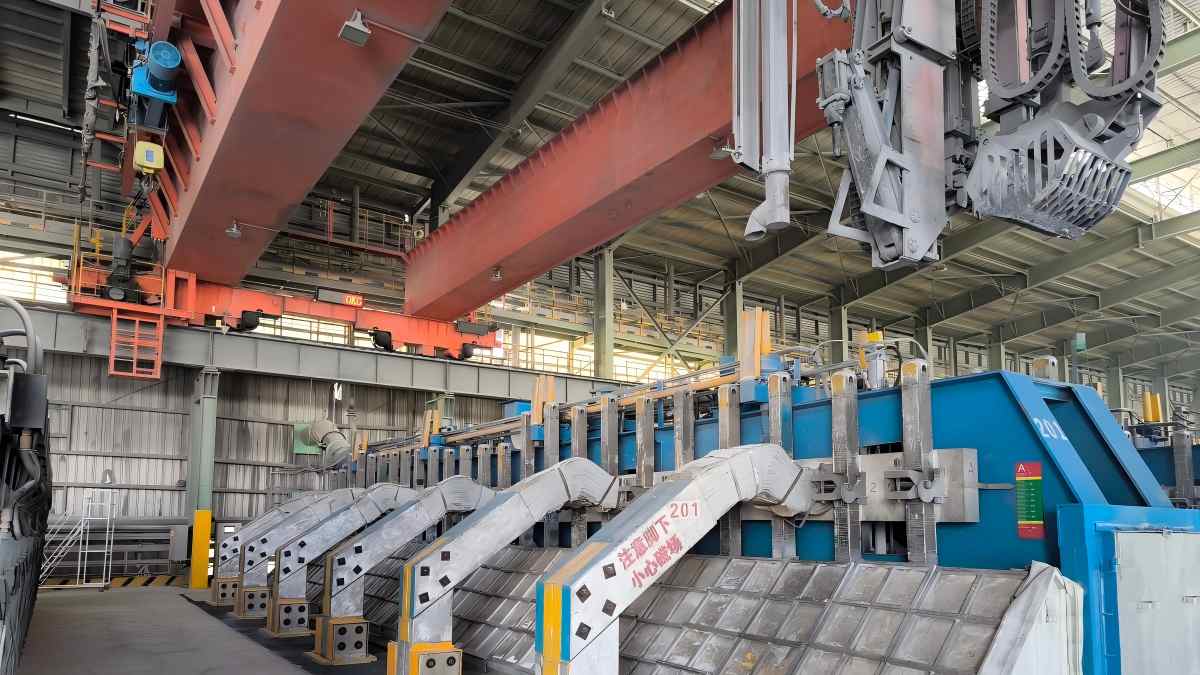
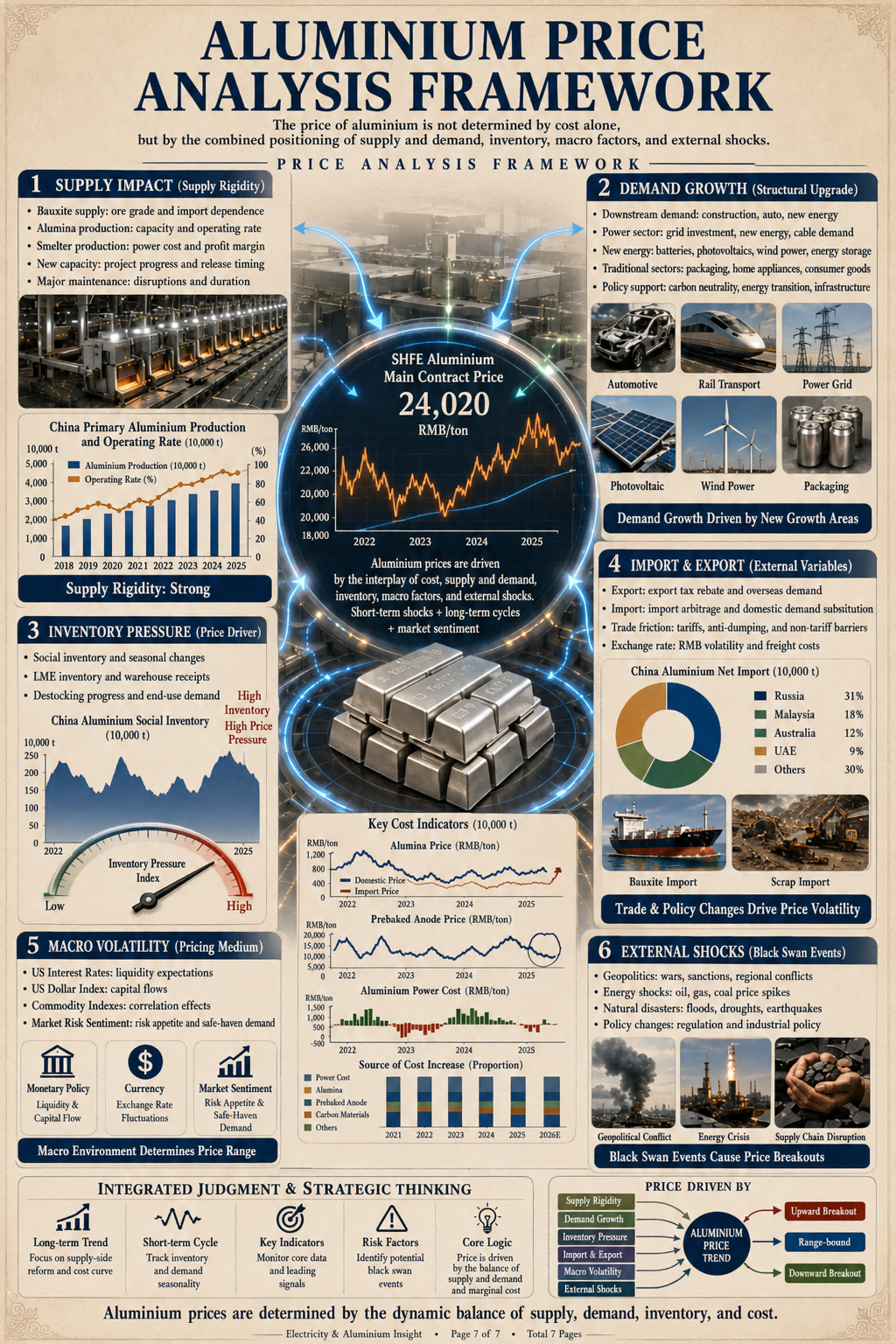
For international procurement directors and industrial engineers across global smelter networks, this cross-industry integration demonstrates the future of sustainable heavy infrastructure. From large-scale structural rail profiles to specialized Pot Tending Machine (PTM) components in smelting lines, high-precision engineering delivers unmatched lifecycle value.
References:
Data Source: “Made in China Shines at the World Cup: Mapping the Aluminum Supply Chain”, verified by Industry Information Xiaolingtong Archives.


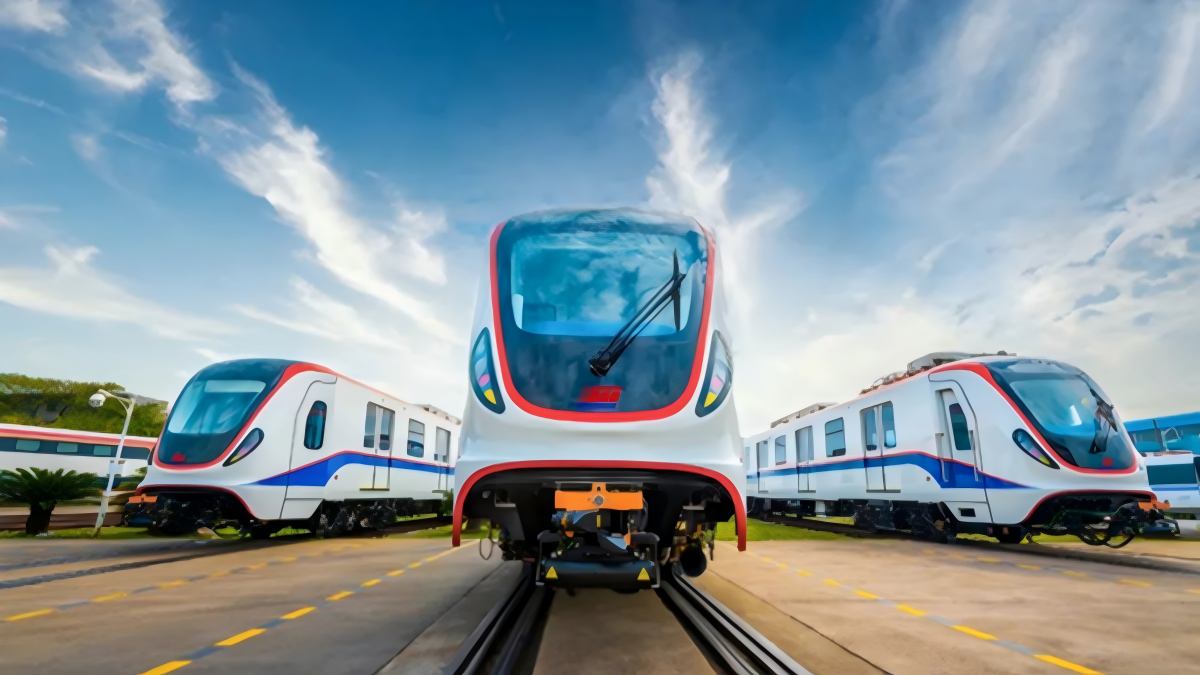
Figure 1: Color-changing effect demonstration on aluminum cups. (Source: Jiangmen Municipal Media Center)
Figure 2: Lightweight and sustainable rigid aluminum bottles. (Source: Global OOH News)
Figure 3: Rapid transit cars with structural aluminum profiles. (Source: CRRC ZELC)