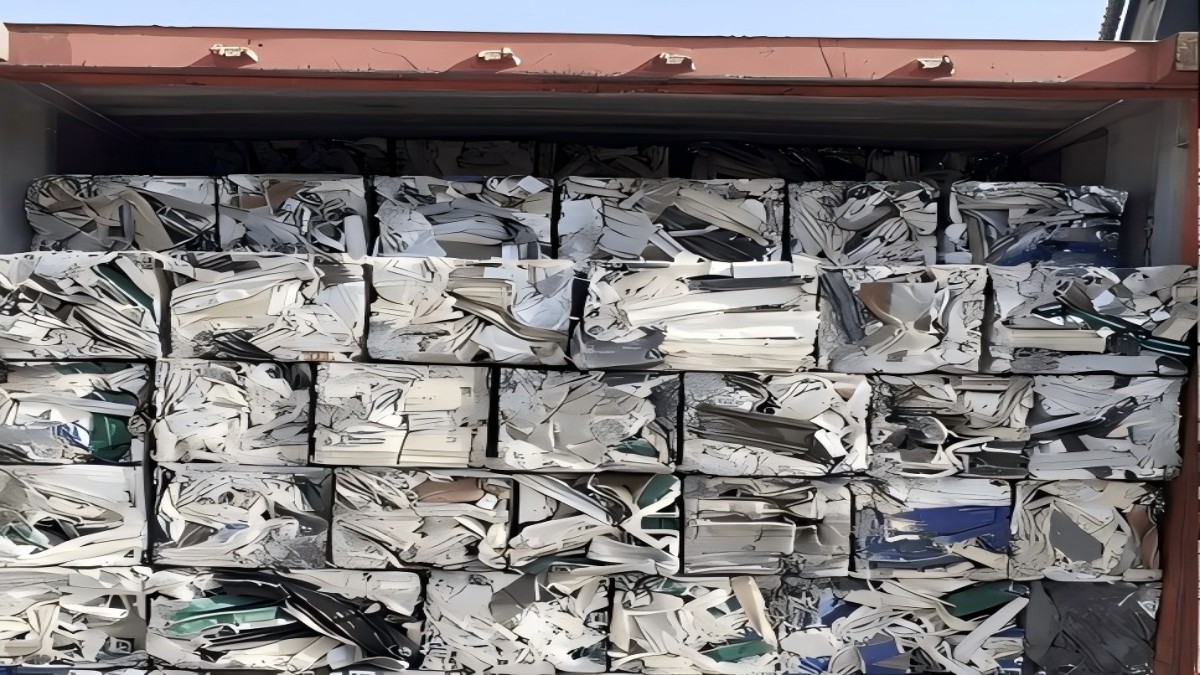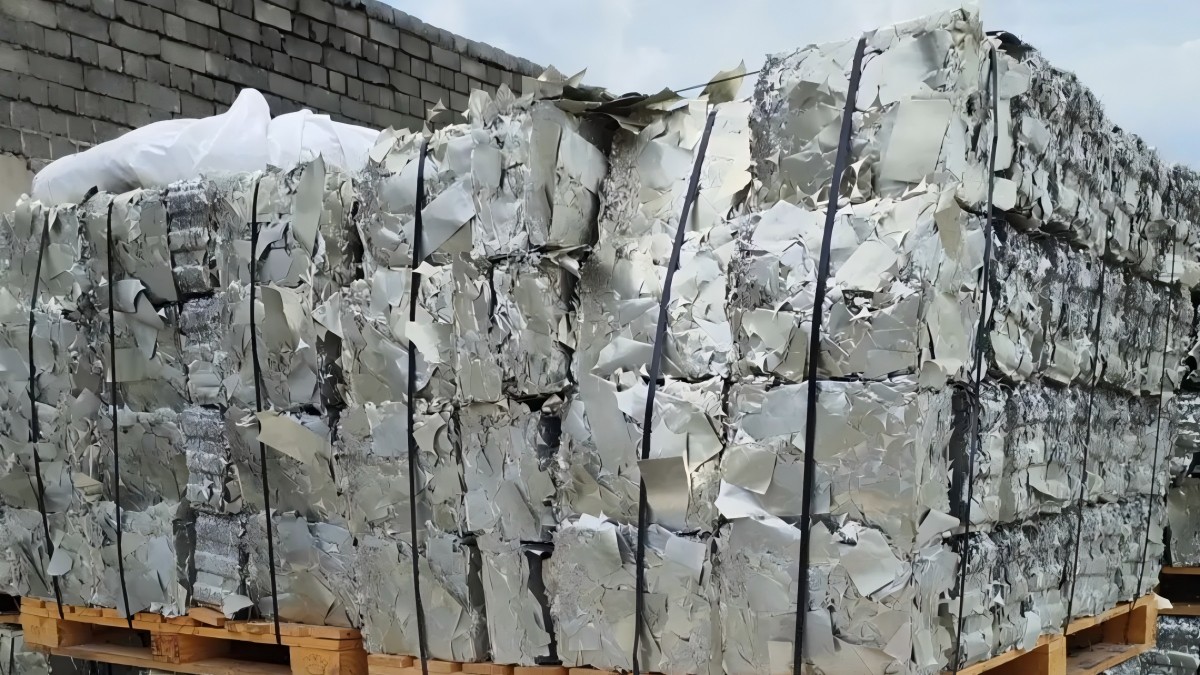
The Aluminum scrap export surge from Libya to Brazil in early 2026 marks a significant pivot in global strategic mineral trade.
TRIPOLI & BRASÍLIA – Recent trade data for the first quarter of 2026 reveals a dramatic shift in the bilateral economic relationship between Libya and Brazil. While overall trade volumes have contracted, Libya’s exports to the South American giant have surged, fueled almost exclusively by an unprecedented spike in aluminum scrap shipments.
Exponential Growth in Secondary Metal Exports
According to the latest report from the Arab-Brazil Chamber of Commerce, Libya’s export value to Brazil saw a staggering 347.4% increase year-on-year during the January-March period.
Total Export Value: Reached approximately $1.7 million.
Primary Driver: The surge is attributed to the high demand for aluminum scrap, a critical component in the global “green” transition.
Brazilian Regulatory Context: This trend coincides with new regulations from the Brazilian federal government aimed at restricting the import of solid waste for strategic material processing, as the country seeks to prioritize its domestic circular economy and recycling industries.
Brazilian Exports: Industrial and Agricultural Staples
Conversely, Brazil’s exports to Libya during the same period declined by 57.2%, totaling $94.19 million. Despite this dip, Brazil maintains a dominant trade surplus of $92.40 million.
The export portfolio from Brazil remains highly specialized, focusing on strategic industrial and food commodities:
Iron Ore: Remained the top export, accounting for 36.8% of the total volume (primarily shipped in January and February).
Agro-Products: Key exports included poultry, beef, tobacco, and coffee, highlighting Brazil’s role as a major food supplier to the North African region.
Global Perspective: Aluminum Scrap as a “Strategic Asset”
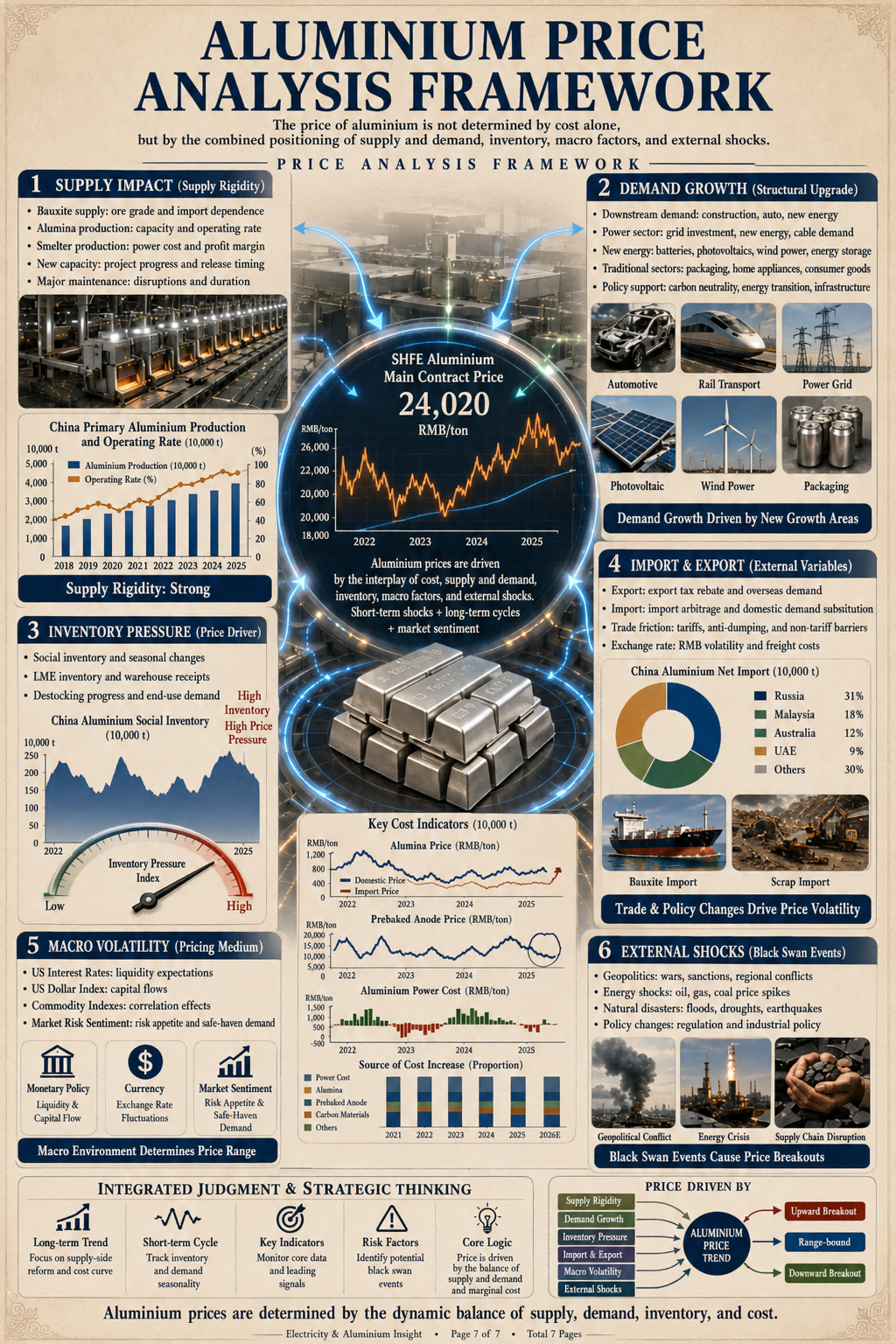
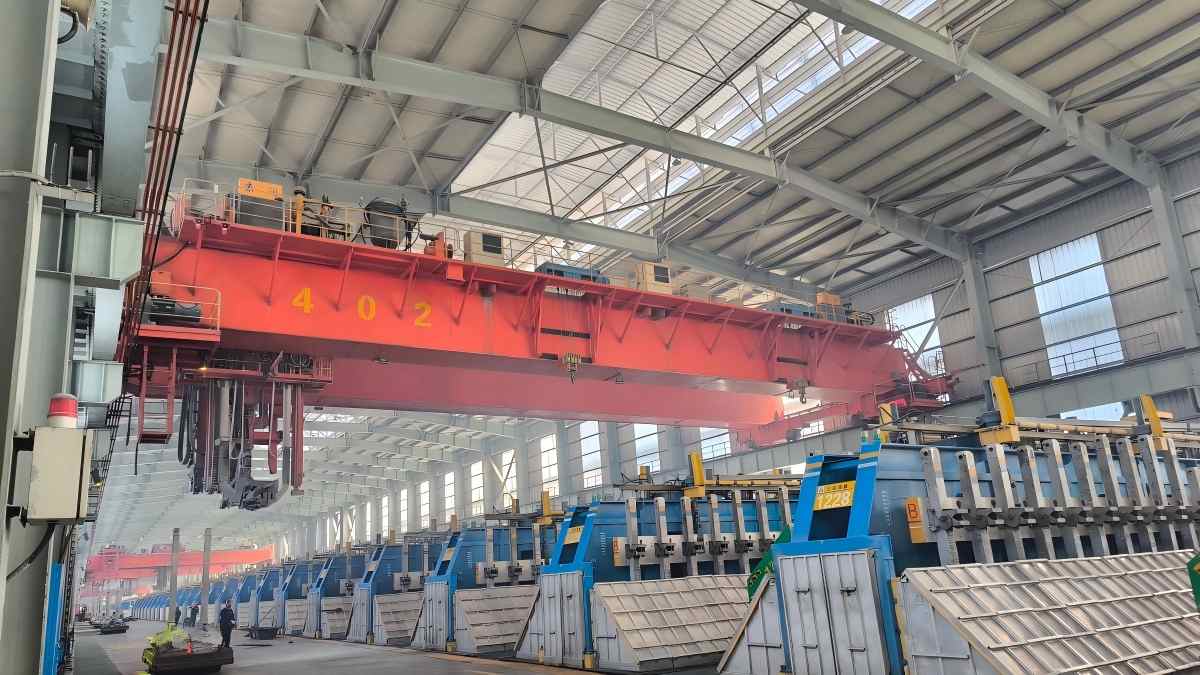
The intensification of the aluminum scrap trade between Libya and Brazil reflects a broader global movement. As primary aluminum supply remains tight and carbon emission regulations (Carbon Border Adjustment Mechanisms) tighten, scrap has transitioned from “waste” to a strategic secondary resource.
Europe’s Vision: The European Aluminium Association’s “Circular Aluminium Action Plan” targets 2030 to implement potential export restrictions to secure its own supply chain.
U.S. Policy: The U.S. Aluminum Association’s recent white paper, “Stop Exporting, Secure the Supply,” advocates for treating aluminum scrap as a vital national asset to revitalize domestic manufacturing.
Conclusion
The 2026 Q1 trade figures underscore a decoupling of traditional trade patterns. For Libya, the surge in aluminum scrap exports signifies its role in the global recycling loop. For Brazil, the focus shifts toward securing strategic minerals while maintaining its foothold in the North African commodity market.
Data and imagery sourced from the WeChat official account: Industry Information Xiaolingtong.