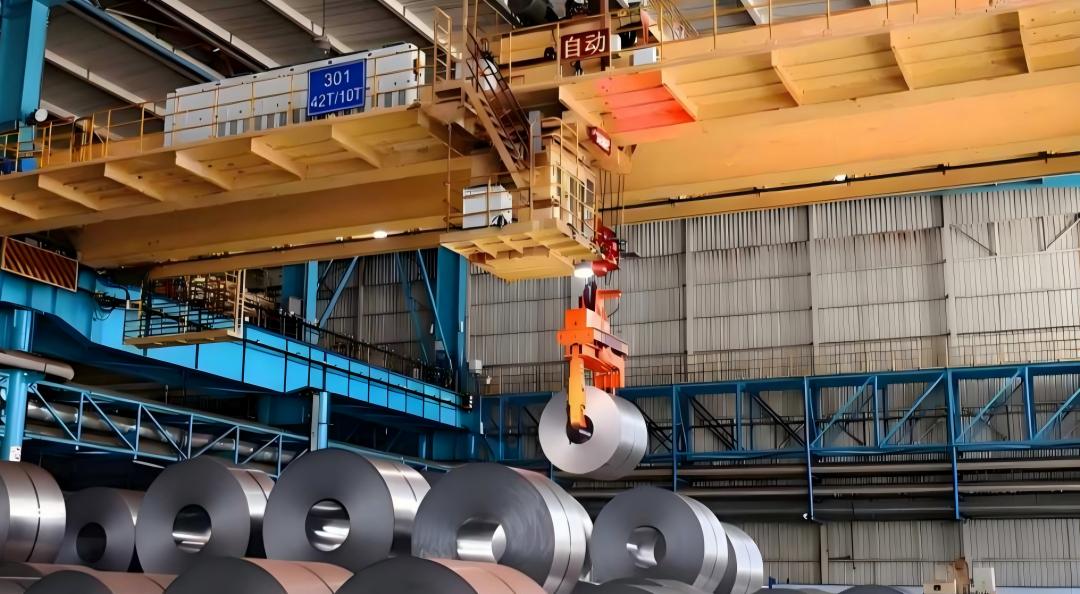
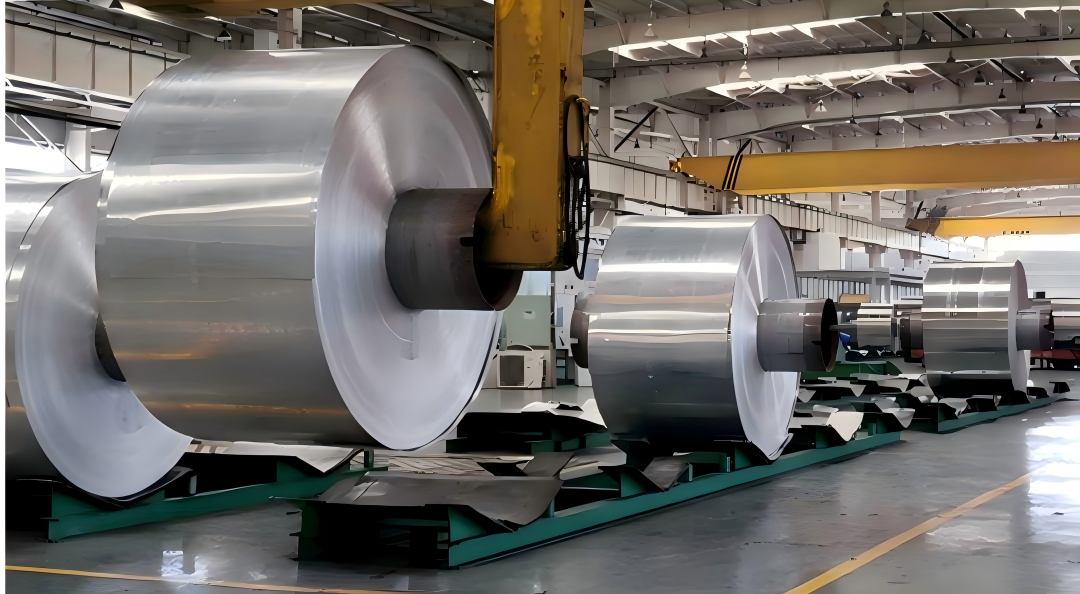
The production of primary aluminum through the Hall-Héroult electrolysis process is a monumental industrial feat, characterized by intense heat, massive currents, and a ceaseless operational tempo. In this challenging environment, material handling is not just about moving weight; it’s about precision, reliability, and safety. A vital, but often unseen, player in this theatre is the specialized overhead crane. This image [referencing your provided image, though you wouldn’t say that to the end-user] captures a pivotal moment: a yellow heavy-duty overhead crane handling a massive, newly-produced aluminum coil, a common sight in modern smelters. But the role of cranes extends far beyond this final stage.
The Full Lifecycle Support: From Raw Materials to Final Coil
Our heavy-duty overhead cranes are engineered to be the backbone of the entire electrolysis potline. Their functions are specialized and critical at every stage:
- Potline Operations (P T M): This is the heart of the smelter. Specialized Pot Tending Machines (PTMs) or Multi-purpose cranes are required. They perform delicate tasks like breaking the electrolyte crust, adding alumina powder, and precisely inserting new anodes (which can weigh several tonnes) into the pots.
- Molten Metal Handling: Cranes equipped with specialized tapping equipment are used to siphon or “tap” the molten aluminum from the pots into massive crucibles. Reliability here is non-negotiable, as handling molten metal at nearly 1000°C demands absolute control.
- Anode Changing: The large carbon anodes are consumed and must be regularly replaced. Heavy cranes are used to extract spent anodes and position new ones with millimeter precision.
- Casting & Logistics (The Image Context): Once tapped, the molten aluminum is transferred by crane to the casting house to be cast into ingots, billets, or, as seen in the image, to be rolled into massive coils. The large yellow crane in the picture is performing this crucial final logisitical task, moving a coil weighing tens of tonnes from the production line to the storage or shipping bay.
Key Technical Requirements for Aluminum Cranes
Working in an electrolysis environment is not like a typical warehouse. Cranes must meet extreme specifications:
- Electromagnetic Compatibility (EMC): The magnetic fields generated by the potlines are immense. Crane control systems must be heavily shielded to prevent interference.
- Insulation: Cranes must have multiple levels of electrical insulation between the crane structure, the operator’s cabin, and the electrical components to prevent short circuits and protect personnel.
- Heat Resistance: Components, particularly electrical panels and operator cabins, require specialized cooling and heat shielding to operate in the proximity of 1000°C molten metal.
- Dust and Corrosion Resistance: The environment is often rich in dust, fluoride, and other chemical compounds. Cranes require robust seals and corrosion-resistant materials and coatings.
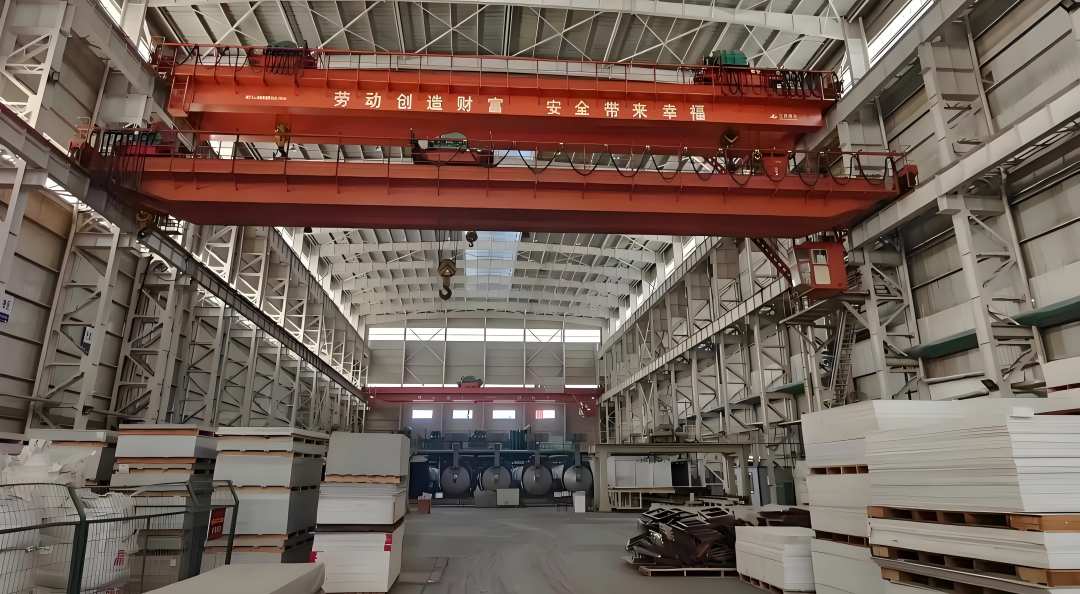
- High Precision & Large Capacities: To handle both delicate anode changes and the mass of full crucibles and coils (like the one pictured), cranes must combine high lifting capacities with sophisticated control systems for precise movement.
Conclusion: More Than Just Lifting
As the image of the crane moving the aluminum coil demonstrates, the success of a modern, efficient electroylsis plant is inextricably linked to the performance and reliability of its overhead cranes. By investing in high-quality, purpose-built crane systems, smelters can not only ensure the continuous flow of production but also drastically improve worker safety and optimize overall plant productivity. At [Your Company Name], we specialize in designing and manufacturing crane systems that thrive in these demanding conditions, ensuring that your output—from raw alumina to the finished aluminum coil—never stops moving.